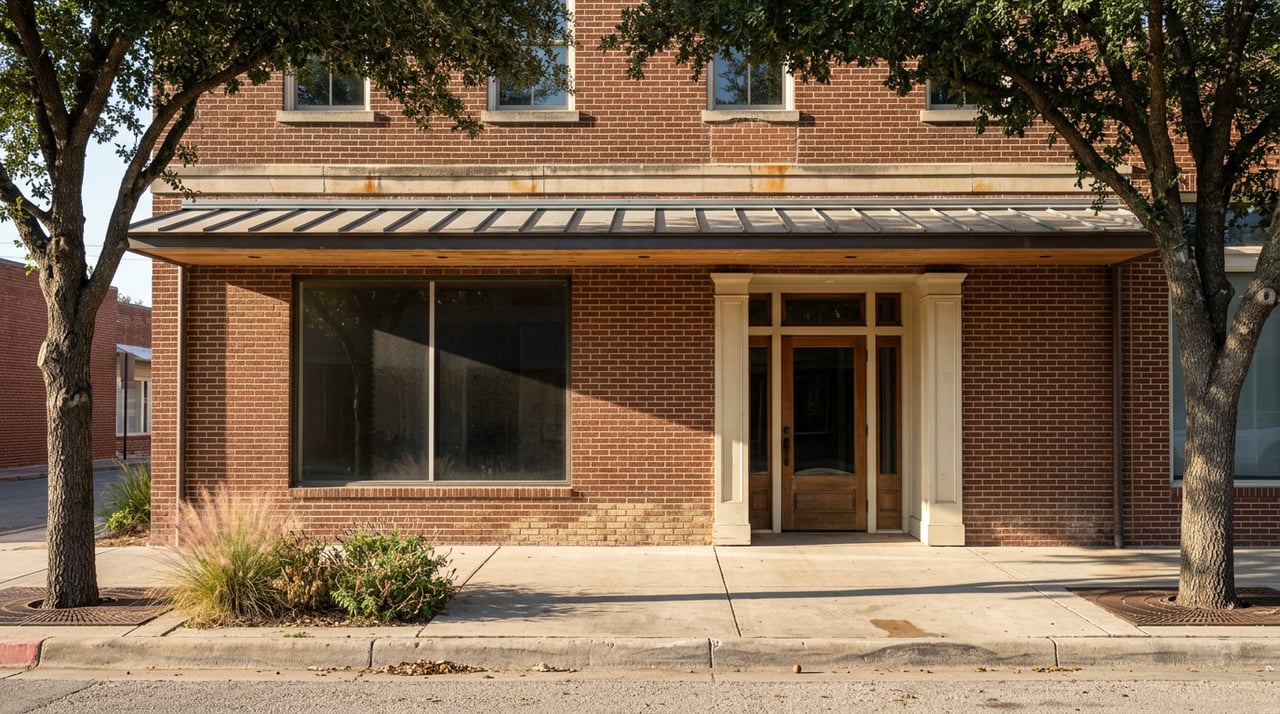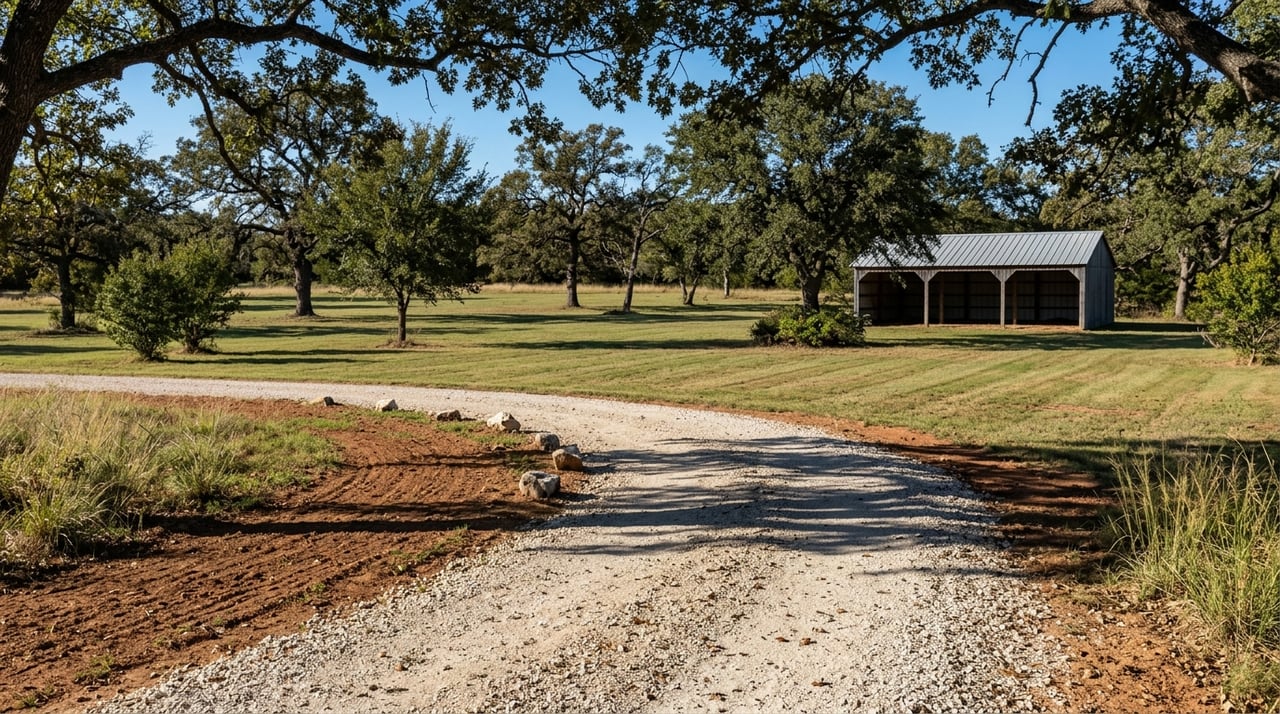
If you are getting ready to sell acreage in Caldwell, you are not just cleaning up a property. You are preparing a piece of land that buyers will judge for both appearance and function. That means the way it shows in photos, how it feels in person, and whether its agricultural use is clearly supported all matter. This guide will help you focus on the prep work that can make your land easier to market and easier for buyers to understand. Let’s dive in.
Why Caldwell acreage needs a different plan
Selling acreage in Burleson County is different from selling a house on a small town lot. Buyers are usually looking at the land itself just as closely as any home, barn, or other improvement. They want to know how the property is being used, how it is accessed, and what kind of upkeep it has had.
That is especially important when agricultural valuation is part of the story. Burleson Central Appraisal District says 1-d-1, also called open-space appraisal, depends on current agricultural use, a required time period, and a degree-of-intensity test. BCAD also notes that this special valuation applies to the land, not structures, and contiguous parcels under the same ownership are treated as one property.
If your tract is outside city limits, BCAD says the time test is generally five of the last seven years. For land inside an incorporated city or town, there are additional rules. BCAD and the Texas Comptroller note the land must either lack city services comparable to the rest of town or have been devoted principally to agricultural use for the previous five years.
Start with your ag-use story
Before you mow, trim, or schedule photos, make sure you understand how your property is currently being used and how that use should be presented. A buyer looking at Caldwell acreage will often want a clear picture of whether the land is pasture, hay ground, native pasture, wildlife-managed land, or a mix of uses.
BCAD draws important distinctions here. Improved pasture may include fertilization, overseeding, and weed or brush control. Hay pasture should be fertilized, kept clear of weeds, vines, and brush, and cut and baled at least twice a year. Native pasture may be only minimally improved and partially cleared.
This matters because your marketing should match reality. If the tract is active hay ground, buyers should see that. If it is native pasture with scattered brush and trees, your presentation should support that use rather than make it look overworked or neglected.
Clean up the areas buyers see first
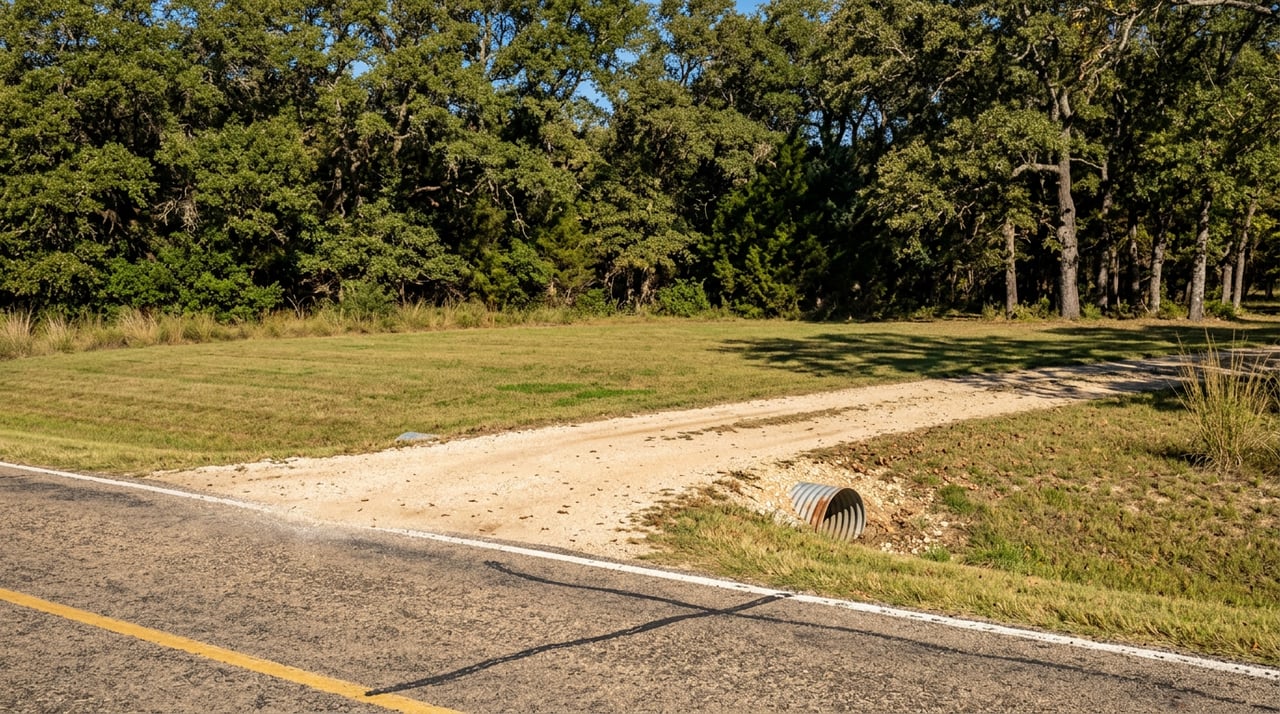
On acreage, first impressions start well before a buyer steps out of the truck. The approach road, gate, entrance, mailbox area, and drive-in view all shape how the property feels. A clean, organized entrance signals that the land has been cared for.
A good first step is to remove visual clutter. Move equipment that does not need to be in sight, clear out scrap piles, and tidy up areas around gates, barns, and driveways. National Association of Realtors guidance says cameras tend to magnify clutter and poor arrangement, which matters even more on rural property where buyers often start with online photos.
You do not need to make the place look artificial. You just want it to look maintained, usable, and ready to tour. For many Caldwell sellers, that means a simple cleanup plan goes a long way.
Repair fences and gates before photos
Fence lines are not a small detail on Burleson County acreage. They can affect both buyer confidence and, in some cases, how the land reads as active agricultural property. BCAD says pastureland with livestock must have fences in good condition, and that no fence or a partially down fence can lead to loss of agricultural valuation.
That makes fence repair one of the smartest pre-listing projects. Fix leaning posts, tighten loose wire, clear brush from fence rows, and make sure gates open and close correctly. Even if a buyer plans future changes, they will still notice whether the existing setup appears functional.
A solid gate area also helps photos. It gives the property a stronger visual entry point and makes showings feel more polished from the start.
Manage brush without over-clearing
Brush control is another area where appearance and land use overlap. Buyers want to see the shape of the property, key features, and the usability of the land. At the same time, acreage should still look consistent with its actual purpose.
BCAD recognizes weed and brush control as part of improved pasture management. Texas A&M AgriLife notes that brush management should match the landowner’s goals and may be handled with mechanical or chemical methods. In practical terms, that means you can clean up the property thoughtfully without stripping away its character.
Focus on spots that improve visibility and access:
- Entrance areas
- Fence lines
- Corners with poor sight lines
- House-site surroundings
- Barn or working areas
- Road frontage
The goal is to help buyers see the property more clearly, not to make it look unnaturally bare.
Highlight access and infrastructure
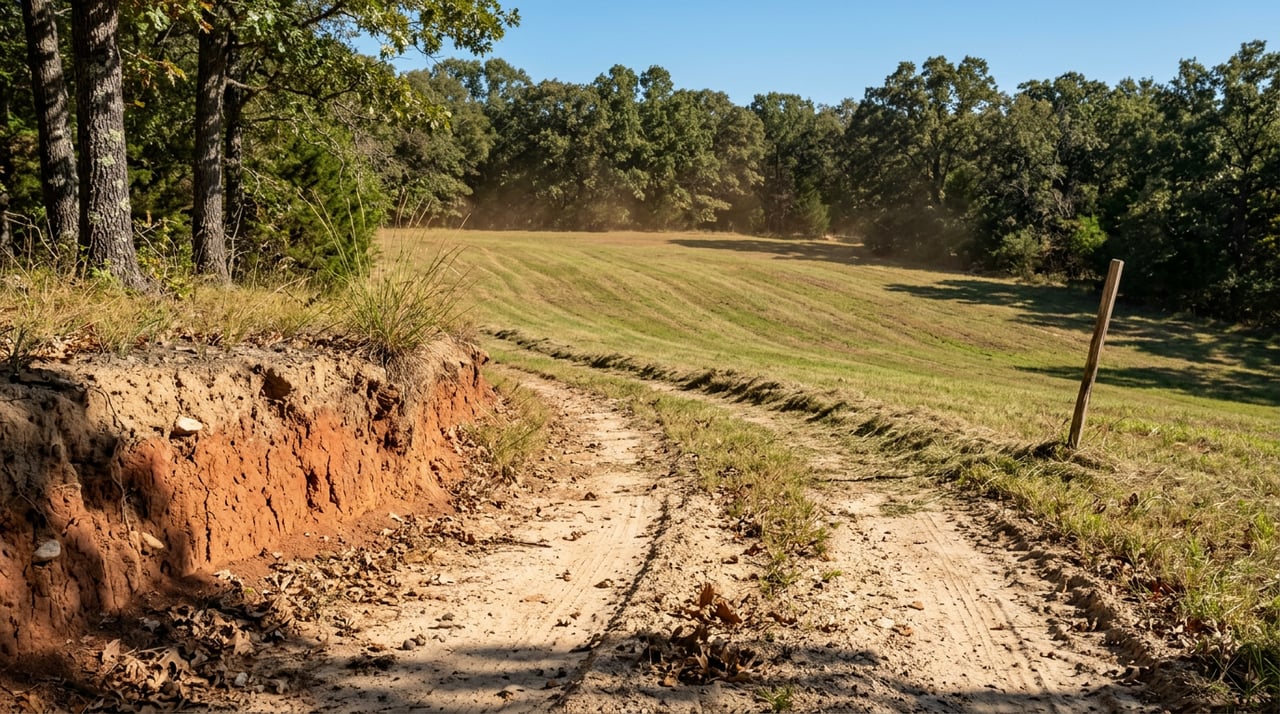
On rural land, access is part of the value. Buyers will notice how easy it is to enter the property, move across it, and understand its layout. A rough entrance or blocked internal road can distract from otherwise strong acreage.
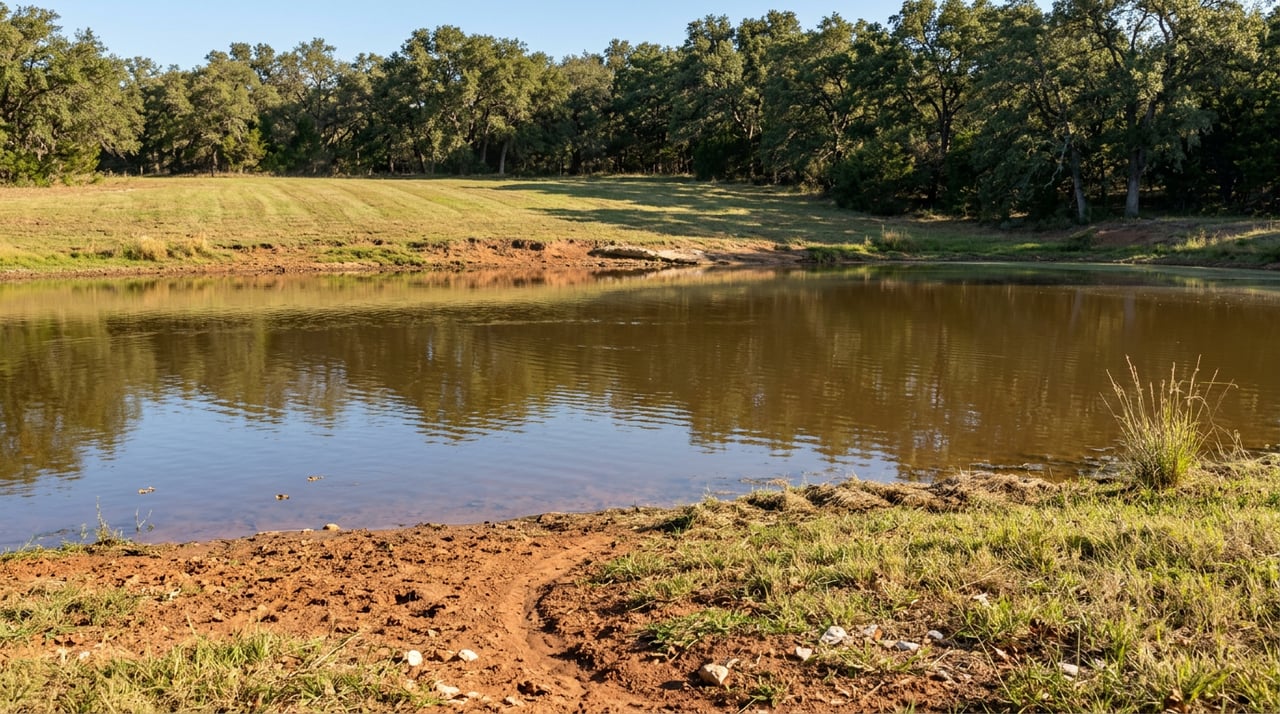
If you have gravel drives, ranch roads, gates, culverts, water wells, stock tanks, canals, or similar features, make sure they are visible and presentable. BCAD notes that roads, wells, tanks, canals, and similar appurtenances are part of the land value. These are not background details. They are part of the property story.
Before listing, walk the tract and make a simple feature map for yourself. Identify what buyers should notice first, what should be photographed from the ground, and what is best shown from above.
Gather documents before you list
Acreage sales usually go more smoothly when the paperwork is organized early. If a buyer asks about agricultural use, parcel details, or supporting records, you will want those items ready.
A strong pre-list file may include:
- Current 1-d-1 application history
- Parcel ID
- Signed lease or cooperative agreement, if applicable
- Photos showing agricultural use
- Receipts or records that support active use
- Wildlife management documents, if applicable
- A basic map showing the house site and land use areas
BCAD says applications must be complete and signed, with supporting documents attached. It also states that property owners should keep proof of timely submission because lost mail is the owner’s responsibility.
If your land is leased for agricultural use, BCAD says the lease should identify the owner, parcel ID, leased acreage, purpose, duration, and the lessee’s contact information. Just as important, BCAD says a lease by itself is not enough. It should be backed up by photos, receipts, and similar evidence.
Separate the house site from the land story
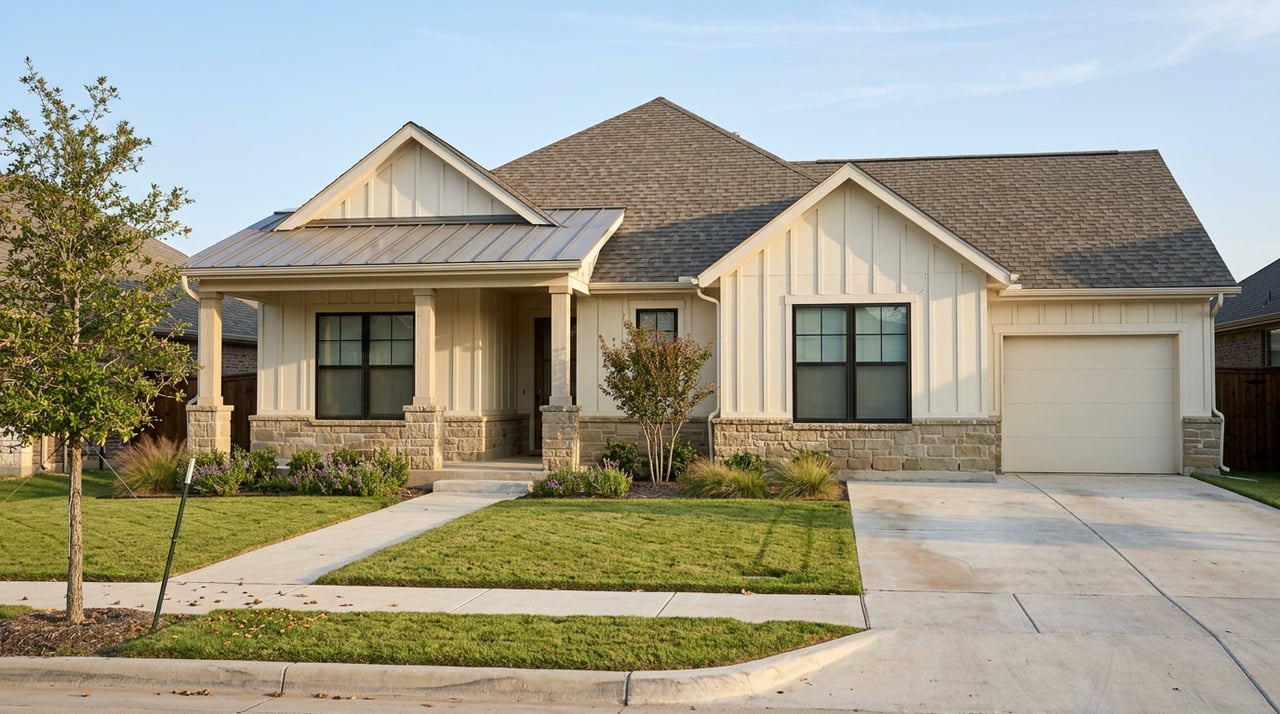
If your property includes a home, it helps to market the home site and the acreage as related but distinct parts of the package. Buyers often want both stories clearly explained. They need to understand where the residential area ends and where the agricultural land begins.
BCAD says part of the land tied to a residence is classified as residential and taxed at market value. The district also says it typically assigns at least 1 acre per resident for residential purposes because of septic-permit requirements. That makes it useful to show a simple breakdown in your listing materials.
When buyers can quickly understand the house site, pasture area, and any other functional zones, the property tends to feel easier to evaluate. Clear presentation reduces confusion and helps serious buyers ask better questions.
Be careful with changes before sale
Not every improvement is harmless when acreage is being prepared for market. If the land will be sold without continuing agricultural use, BCAD and the Texas Comptroller warn that rollback tax can apply for the prior three years. BCAD also lists physical subdivision, road cuts, utility installation, and restrictive covenants as potential change-of-use triggers.
That does not mean you should avoid normal cleanup and repair. It does mean you should think carefully before making major physical changes right before listing. A new road cut or utility work may affect more than appearance.
If agricultural valuation is part of your property’s value story, preparation should support the current use rather than accidentally undermine it. This is one reason a land-focused real estate team can be especially helpful in the planning stage.
Plan photos after the work is done
Most buyers start online, so your photo day matters. General marketing guidance from the National Association of Realtors says high-resolution photos and video tours are essential because most buyers shop online first. For acreage, that means your visuals should show both beauty and function.
Schedule photography after cleanup, mowing, fence work, and document gathering are complete. That way the listing presents the property as it truly is, not as an active project site. Ground-level images should focus on the gate, drive, house site, barns, pasture views, and any standout features.
Aerial imagery can be especially useful on acreage because it helps buyers understand layout, access, ponds, tanks, roads, and tree cover. If drone media is used, the FAA says commercial operators under Part 107 must register each drone, hold a remote pilot certificate, keep the aircraft within visual line of sight, fly only in daylight or civil twilight with proper lighting, and stay at or below 400 feet above ground unless over a structure.
A simple Caldwell acreage prep checklist
If you want a practical place to start, use this short checklist before your property goes live:
- Confirm the land’s current agricultural use and supporting records
- Repair broken fences, gates, and entrance areas
- Clear clutter from driveways, barns, and key photo angles
- Manage brush along fence lines, entrances, and sight lines
- Identify wells, tanks, roads, and other land features to highlight
- Organize lease records, receipts, photos, and application history
- Separate the house-site story from the pasture or ag-use story
- Avoid major physical changes that could affect land-use status
- Schedule photos only after cleanup is complete
Preparing acreage for market is really about clarity. You want buyers to see what the land is, how it functions, and why it has been cared for. When the property looks clean, reads clearly, and is backed by solid documentation, you put yourself in a stronger position from the first showing forward.
If you are thinking about selling land in Caldwell or anywhere around Burleson County, Ranch House Real Estate can help you create a practical plan that fits your property, your timeline, and your goals.
FAQs
What should you fix first before listing Caldwell acreage?
- Start with the entrance, gates, fence lines, and visible clutter. These are some of the first things buyers notice in photos and in person.
Does agricultural valuation transfer automatically to a buyer in Burleson County?
- No. BCAD says a new owner must file a new application to keep the agricultural valuation.
Is a lease enough to prove agricultural use on Burleson County land?
- No. BCAD says a lease alone is not sufficient without supporting evidence such as photos, receipts, and similar records.
Can road work or utility installation affect acreage taxes in Burleson County?
- Yes. BCAD lists subdivision, road cuts, utility installation, and restrictive covenants as possible change-of-use triggers that can lead to rollback tax.
How should you market a Caldwell property with both a house and acreage?
- Present the home site and the agricultural land as separate but connected parts of the property so buyers can better understand the layout and use of each area.