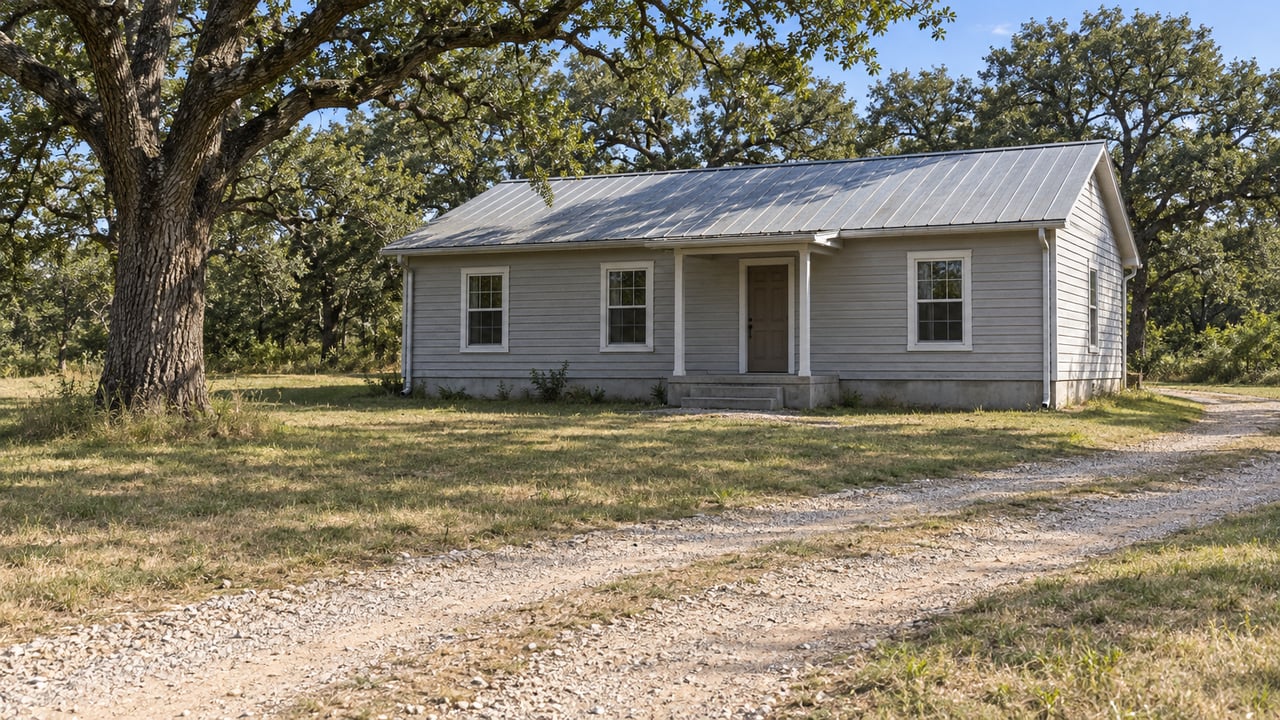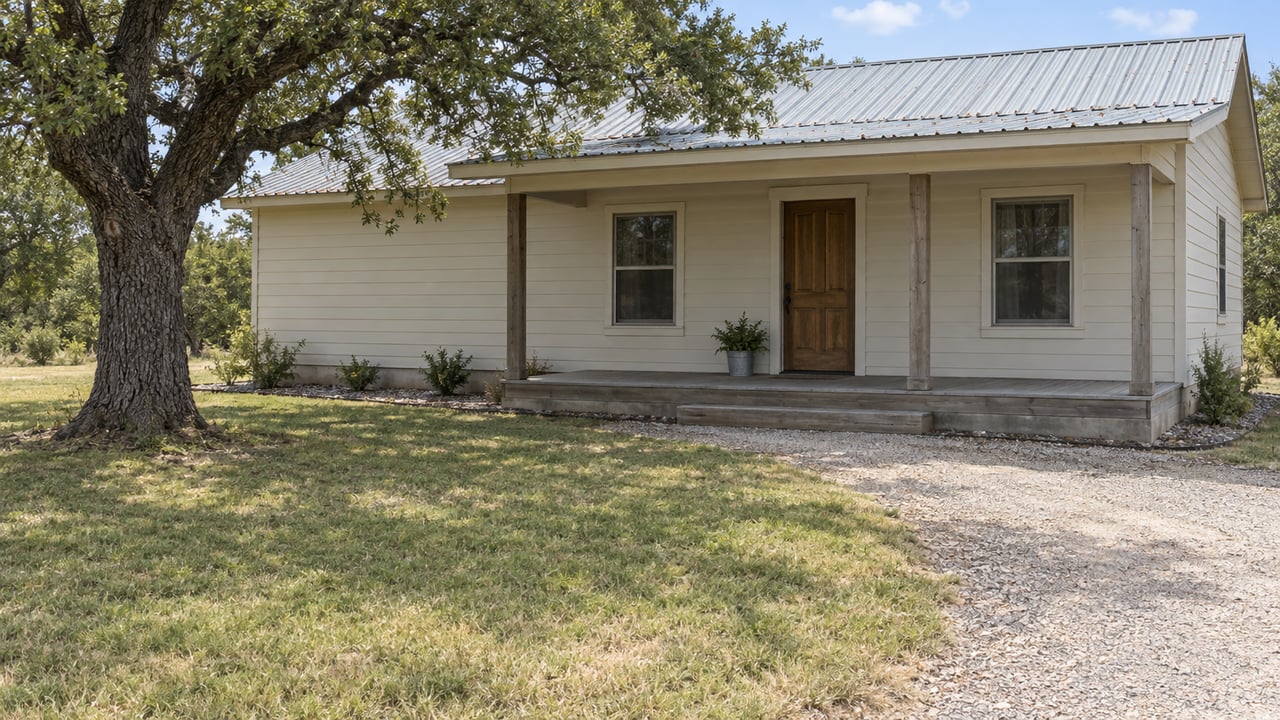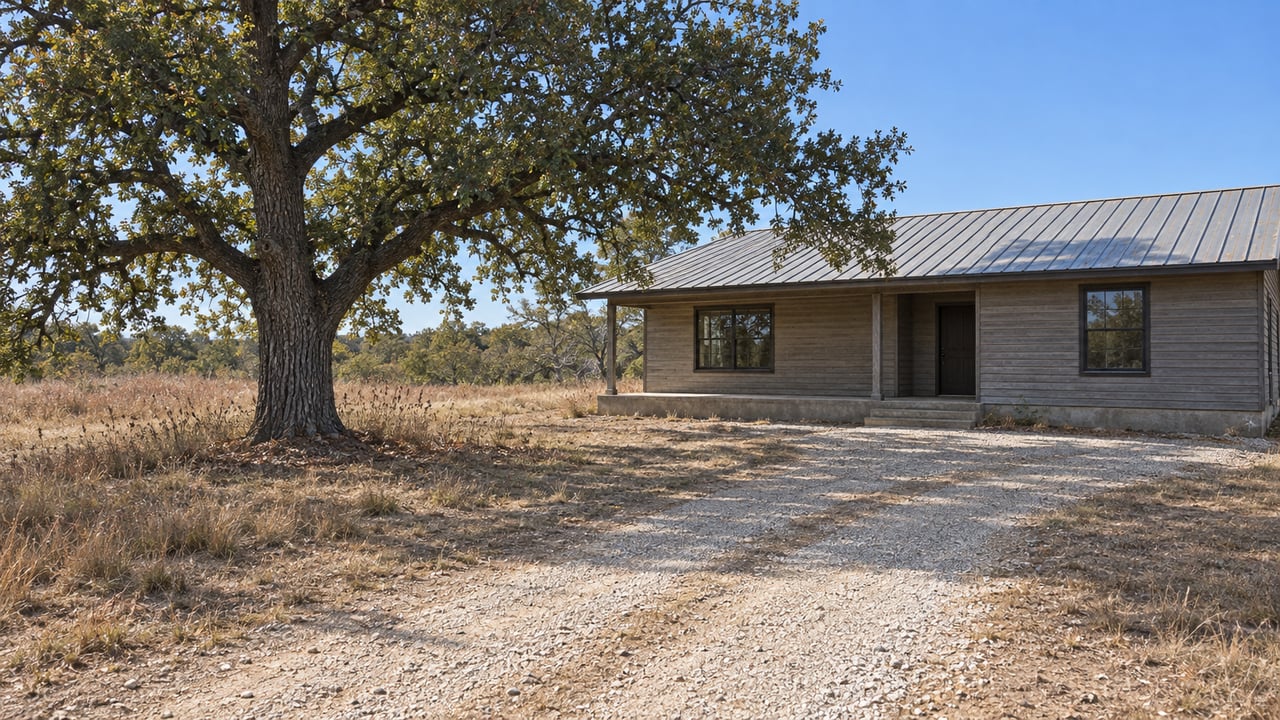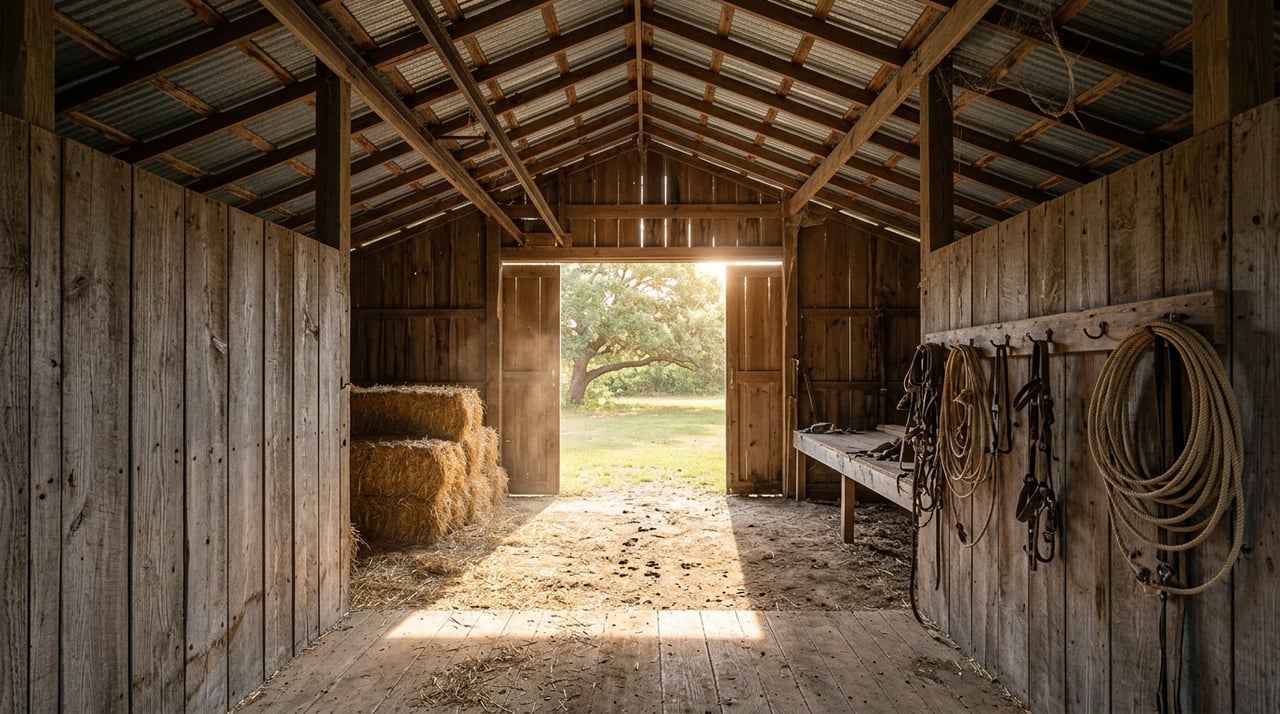
Buying in rural Caldwell can be exciting, but it also comes with questions you may not face in a typical neighborhood purchase. A country home or acreage tract can offer space, privacy, and flexibility, yet the details behind water, septic, access, taxes, and insurance matter just as much as the view from the porch. If you are thinking about buying in Caldwell or the surrounding Burleson County area, this guide will help you ask smarter questions before you make an offer. Let’s dive in.
Why rural Caldwell needs extra due diligence
Rural property in Burleson County often involves more moving parts than a standard in-town home purchase. According to the Burleson County Environmental Department, buyers should pay close attention to septic permits, floodplain permits, water supply, and other land-specific issues.
That means your checklist should go beyond price, square footage, and closing date. Before you commit, you will want to understand how the property is served, how it is accessed, how it is taxed, and whether it can be insured the way you expect.
Ask about water first
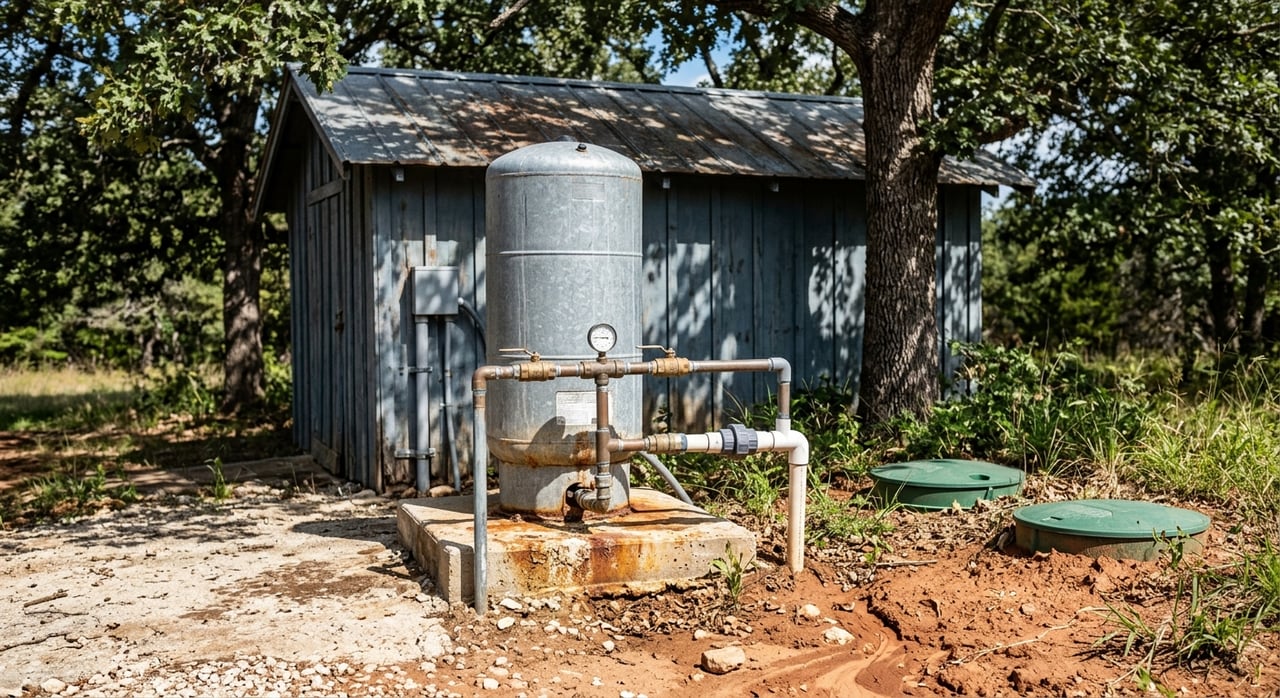
Water is one of the biggest questions on any rural property. You should find out whether the home or land is served by a private well, community water, or a combination of both.
If there is a private well, ask the seller for the well report, pump information, and recent water test results. The Texas Water Development Board notes that private well water quality is not regulated by the state, so testing before closing is an important step.
Can you verify the well record?
Even if the seller does not have the paperwork, you may still be able to locate the well report. The TWDB water well report viewer can often provide details such as the well depth, drill date, intended use, and reported owner.
That record can give you a better picture of what you are buying. It can also help you ask better follow-up questions during inspections and contract negotiations.
Are there signs of well trouble?
In Burleson County, low pressure or intermittent water service should not be brushed aside. The Post Oak Savannah Groundwater Conservation District has even created a well assistance program for local wells that may lose service as aquifer levels drop.
If a property has had pressure issues, seasonal shortages, or other service concerns, ask about them early. You want to know whether the problem is minor maintenance or a bigger long-term risk.
Confirm septic status and lot suitability
Septic questions are just as important as water questions. In Burleson County, all onsite sewage facilities require permits regardless of acreage, and the county states that a license to operate is issued only after final inspection through the Environmental Department.
If you are buying a home with an existing septic system, ask whether it was properly permitted, inspected, and sized for the current structure. If you plan to add another structure later, that could create another layer of review.
Does the lot meet county size rules?
Lot size matters for septic planning. Burleson County says a typical single-family dwelling generally needs 1 acre with public water or 2 acres with a private well for septic sizing purposes.
Some older smaller lots may have historical exceptions, but they still have to comply with current county and state requirements. That is why you should not assume a tract is build-ready just because it has a legal description and a fence line.
Does each structure have the right address?
This is an easy item to miss on rural property. According to Burleson County 911 Addressing, physical addresses are assigned by driveway and structure, and each structure with an OSSF connection must have its own address.
If the property includes a second home, guest house, barn with facilities, or separate driveway, ask whether each structure has been addressed correctly. That detail can affect septic paperwork and emergency response.
Verify access and road responsibilities
A pretty tract is not very useful if access is unclear. One of the most important questions to ask is whether the property has legal access by public road, county road, or private road.
Texas A&M AgriLife explains that there is no automatic right of access for landlocked property, so a written, recorded easement is the safest way to protect access rights. You can review more on this in AgriLife’s discussion of Texas access and easement issues.
Is there a recorded easement?
Do not rely on a handshake agreement or local understanding. Ask for recorded easement documents and compare them with the survey and title work.
Access disputes can become expensive and time-consuming. That is especially true when the road has been used for years but never formally documented.
Who maintains a private road?
If the property is on a private road, ask who pays for upkeep and whether there is any road maintenance agreement. Burleson County subdivision rules state that owners are responsible for maintaining private roads and that the county does not pay for their construction or upkeep.
You should also ask whether emergency vehicles can reasonably reach the property. A private road can work just fine, but you want to know what responsibility comes with it.
Does the driveway need a permit?
If the driveway connects to a county road, Burleson County may require an access permit on county right-of-way through its permits process. This is especially important if you plan to improve the property, build new access, or change how the entrance functions.
It is much better to clarify this upfront than to discover a problem after closing.
Check floodplain and location details
Not all rural land is flat, dry, and simple to build on. Drainage paths, creek areas, and mapped floodplain can affect where and how you use the property.
Burleson County participates in the National Flood Insurance Program and requires floodplain permits before construction in floodplain areas. The county also points buyers to the FEMA Flood Map Service Center through its permits page for parcel checks.
Is the property in city limits or county jurisdiction?
You should confirm whether the property is inside Caldwell city limits or in unincorporated Burleson County. The county notes that it does not enforce building codes in unincorporated areas, while permit questions inside city limits go through city offices.
That difference can affect what approvals apply to your plans. It is a simple question, but it can shape your next steps in a big way.
Does the map pin match the real address?
Online map pins can be misleading on rural property. Burleson County states that its 911 address data is not directly connected to Google Maps or Apple Maps, so you should verify the county-issued physical address rather than trusting an app alone.
That matters for inspections, deliveries, insurance, and emergency services. It is a small detail that can create big headaches if ignored.
Review restrictions and surface rights
Before buying rural Caldwell property, ask what restrictions may affect how you can use it. Deed restrictions or subdivision plat notes can regulate setbacks, structure placement, design, and land use, as explained by TexasLawHelp’s overview of deed restrictions.
This is especially important if you want to add a shop, place a manufactured home, split the tract later, or use the land in a specific way. The right property for you is not just about acreage. It is about what you are allowed to do with it.
Are mineral rights separated?
In Texas, the surface estate and mineral estate can be severed. Texas A&M AgriLife explains that the mineral estate may carry implied rights to use the surface in ways that are reasonably necessary.
That does not mean every property has a problem, but it does mean you should ask whether minerals have been reserved and whether any pipeline or oil-and-gas rights affect the tract.
Understand ag valuation before you count on it
A lower tax bill can make rural ownership more affordable, but you should not assume an agricultural valuation will continue automatically after closing. The Burleson County Appraisal District guidelines explain that agricultural appraisal is tied to current ownership and ends when ownership changes.
If you want to maintain that valuation, you may need to file a new application after closing. You should also ask how much of the land is currently treated as homesite versus agricultural use.
Could rollback taxes apply?
If land use changes from qualifying agricultural use, rollback taxes may apply. The Texas Comptroller says that a change in use can trigger rollback taxes for the prior three years.
That makes future plans important. If you intend to subdivide, build extensively, or change how the land is used, ask how that could affect property taxes down the road.
Compare title, survey, and legal description
On rural property, title review deserves extra attention. The Texas Department of Insurance says title insurance protects against unknown title defects, and buyers should compare the policy’s legal description with the survey and contract.
That comparison can help uncover mismatched boundaries, missing easements, or other issues before closing. It is one of the best ways to make sure the property you think you are buying is the property described in the paperwork.
Get insurance quotes early
Insurance should not wait until the last week before closing. The Texas Department of Insurance advises buyers to speak with an insurance agent early because deductibles, roof condition, and underwriting issues can affect timing and cost.
This matters even more on rural property with detached shops, barns, or other structures. TDI notes that other structures coverage is often limited to a percentage of the dwelling coverage, so you should confirm exactly what is covered.
Do you need flood insurance too?
Standard home insurance does not cover flood damage. TDI also notes that flood losses can happen outside high-risk zones and that NFIP policies usually have a 30-day waiting period.
If any part of the tract is near a drainage area or mapped floodplain, ask about flood coverage before closing. Waiting too long can limit your options.
A smart pre-offer checklist
Before you make an offer on rural Caldwell property, try to gather as much of this package as possible:
- Recent survey
- Title commitment
- Deed restrictions or subdivision plat
- Recorded easements
- Well report
- Septic permit or license to operate
- Flood-zone check
- Agricultural valuation history
- Insurance quote
That list covers many of the main issues flagged by county and state resources for rural land and homes in Burleson County.
Local offices that can help
As you do your homework, these local resources can be especially useful:
- Burleson County Environmental Department for septic permits, existing-system questions, and floodplain applications
- Burleson County 911 Addressing for physical address verification tied to driveways and structures
- Burleson County Appraisal District for agricultural valuation and property record questions
- Post Oak Savannah Groundwater Conservation District for district rules, well maps, and groundwater assistance
Buying rural property is not about being cautious for caution’s sake. It is about making sure the land, home, and paperwork all support the life you want to build there. If you are looking at property in Caldwell or anywhere around Burleson County, Ranch House Real Estate can help you sort through the practical questions, walk the land with you, and make sure you are looking at the full picture before you buy.
FAQs
What should you ask about wells before buying in rural Caldwell?
- Ask whether the property uses a private well or community water, request the well report and recent water tests, and check for any history of low pressure or service interruptions.
What should you ask about septic systems in Burleson County?
- Ask whether the septic system was permitted, inspected, and issued a license to operate, and confirm the lot meets county sizing rules based on the water source.
What should you ask about access on rural Caldwell property?
- Ask whether access is by public, county, or private road, whether there is a recorded easement, and who is responsible for maintaining any private road.
What should you ask about ag valuation before buying land in Caldwell?
- Ask whether the tract currently has 1-d-1 agricultural appraisal, how much land is classified as homesite, and whether you will need to file a new application after closing.
What should you ask about flood risk and insurance in rural Burleson County?
- Ask whether any part of the property is in a mapped floodplain, whether flood insurance is recommended, and whether the home and detached structures can be insured as-is.