If you are shopping for a small ranch near Caldwell, it is easy to fall in love with the view and miss the details that really matter. A pretty pasture or a nice tree line does not always mean the property will fit your goals for livestock, recreation, or long-term value. This guide will help you focus on the practical questions that matter most around Caldwell so you can buy with more confidence. Let’s dive in.
Why Caldwell draws small ranch buyers
Caldwell offers a mix that many rural buyers want: small-town access with surrounding acreage that can support a country lifestyle. Because it is the county seat of Burleson County, many of the local public-service functions tied to rural land ownership are handled there, including 911 addressing and septic and environmental permitting.
That local setup matters more than many buyers expect. When you are evaluating a small ranch, parcel research should start with Burleson CAD and county offices instead of relying only on listing remarks. Those records can help you verify property details that affect use, taxes, and future plans.
What small ranch land looks like here
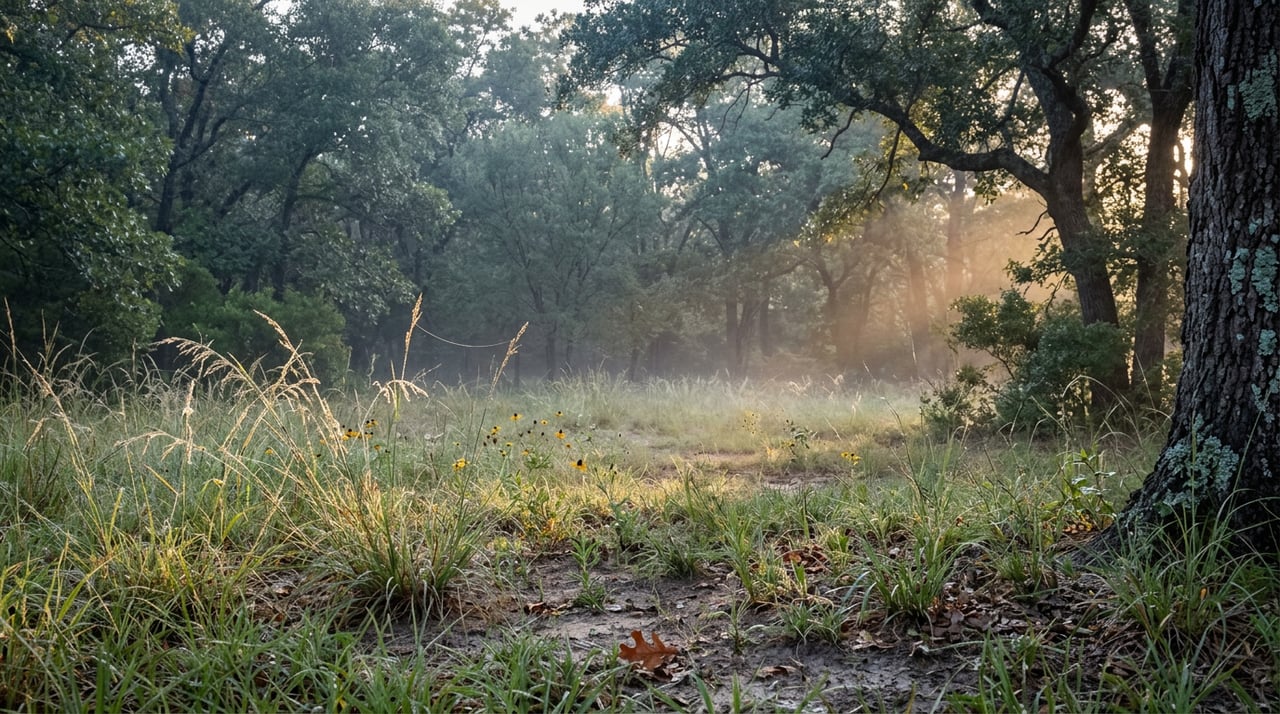
The Caldwell area sits in the Post Oak Savannah and Blackland Prairie landscape. Texas Parks and Wildlife describes this region as gently rolling land with clay-pan soils, annual rainfall around 35 to 45 inches, scattered post oaks and blackjack oaks, and broad areas of improved pasture seeded to bermudagrass and bahia grass.
In plain terms, many small ranches near Caldwell are not uniform, wide-open grazing tracts. You are more likely to see a mix of improved pasture, native edge, wooded cover, and low areas. That mix can be a strength, but only if it matches how you want to use the land.
Match the ranch to your goals
Before you look at acreage size, get clear about how you want the property to function. A small ranch can serve very different purposes depending on your priorities.
Lifestyle and hobby use
If you want a manageable place near town, focus on ease of ownership. That often means usable pasture, straightforward access, a reliable water source, and fencing that does not need major work right away.
Livestock use
If you plan to run cattle or other animals, do not assume there is a simple acres-per-head formula that works for every tract. Texas A&M AgriLife says stocking rate is a site-specific management decision based on rainfall, forage production, range condition, and the needs of the animals.
That means two 15-acre properties near Caldwell may perform very differently. One could have improved grass, decent water, and practical fencing, while another may need much more management before it can support animals well.
Hunting and recreation
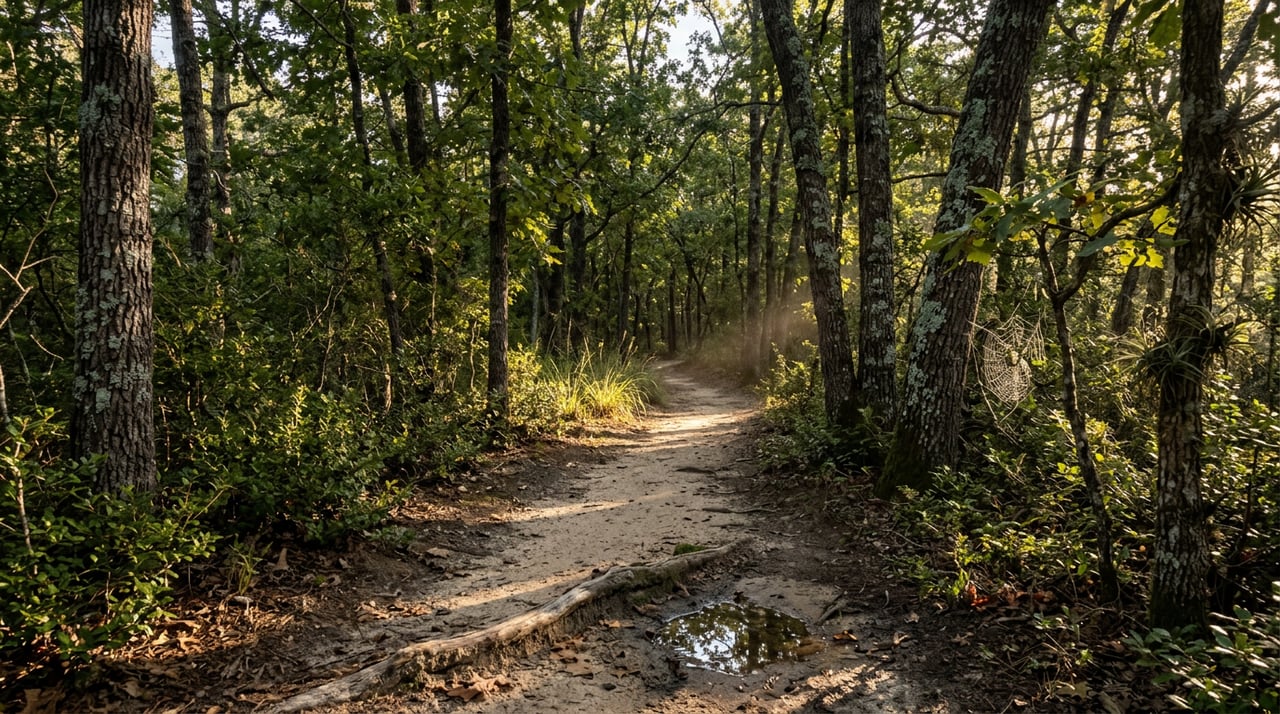
If recreation matters to you, look beyond a cleaned-up field. Texas Parks and Wildlife explains that wildlife need food, cover, and water, so buyers should pay attention to brush edge, wooded cover, bottomland areas, and dependable water just as seriously as they evaluate pasture.
On small tracts, the same acres often need to serve more than one purpose. If you want both livestock and hunting value, the balance of open ground and cover becomes especially important.
Pasture quality matters more than acreage
One of the biggest mistakes buyers make is treating acreage as the main measure of a small ranch. Around Caldwell, pasture quality often tells you more than the number on the listing.
Ask whether the land is improved bermudagrass, bahiagrass, native range, or a mix. Improved pasture can support grazing differently than rougher native ground, and mixed habitat may offer a better balance for recreation and wildlife.
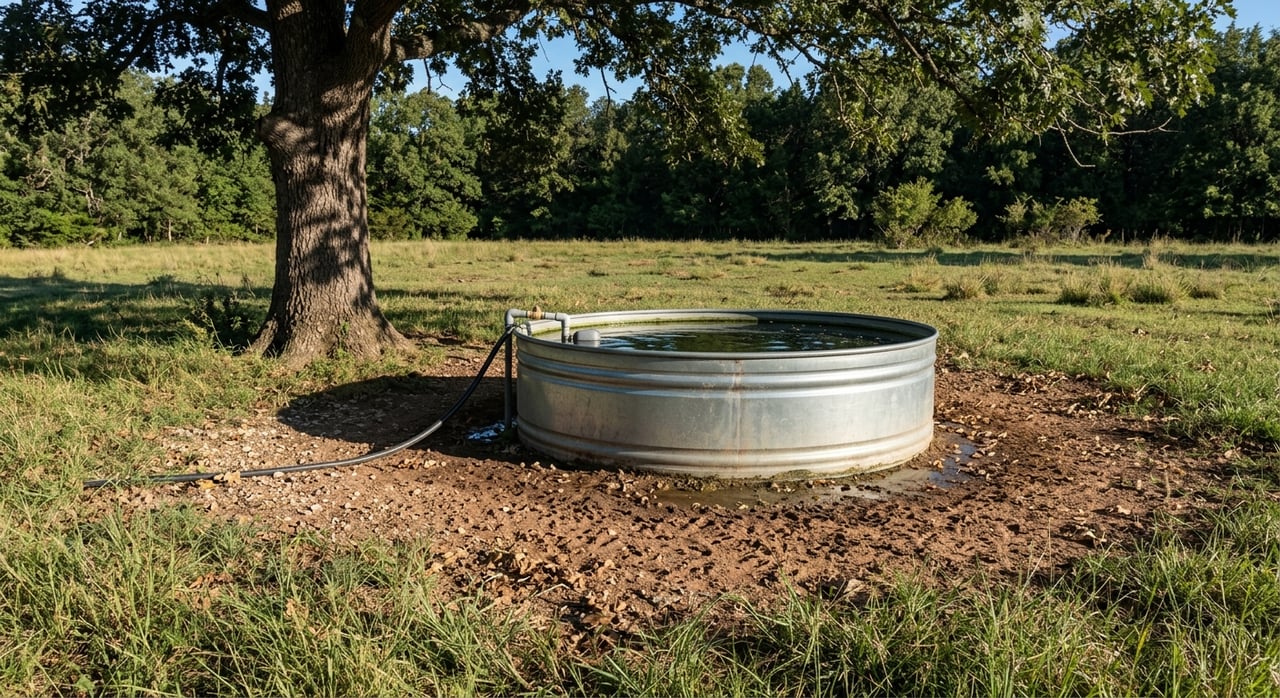
Water also belongs in this conversation. AgriLife treats water as a core ranch-management topic, and Texas Parks and Wildlife includes water as one of the basics for wildlife habitat. A property with a dependable water source is usually more flexible than one that looks good on a wet day but struggles in dry periods.
Fences, boundaries, and access
Fence condition is one of the most important due-diligence items on a small ranch. It affects livestock control, repair costs, and even your relationship with neighboring landowners.
Texas A&M AgriLife notes that an accurate survey is paramount before building boundary fences. It also explains that neighboring owners do not automatically share fence costs, and fence obligations can depend on local stock-law conditions and highway rules.
For you as a buyer, the key questions are simple:
- Is there a current survey?
- Is the fence actually on the property line?
- Who owns the fence?
- Does the fence truly hold cattle or other livestock?
- Does road frontage create any extra fencing concerns?
These questions matter even more when you want a downsized ranch that feels manageable. A smaller tract with uncertain fence lines can become a bigger project than expected.
Water and infrastructure checks
Infrastructure can make or break a rural purchase. Around Caldwell, buyers should verify the basics early instead of treating them like closing-week details.
If the tract does not already have full improvements, confirm 911 address status and septic requirements before closing. Burleson County’s Environmental Office requires a septic permit for all septic systems in the county, and the county’s 911 Addressing office requires a physical address before the septic application is submitted.
That order matters. The addressing office also assigns addresses by driveway and by structure, so barns, wells, and powered outbuildings may need separate handling. In other words, do not rely on a map app and assume the addressing piece is done.
Utilities and school logistics
If you are buying a small ranch for full-time living, daily logistics deserve just as much attention as the land itself. The City of Caldwell lists utility pathways for gas, electric, and internet, cable, and phone service, and it distinguishes between new service, transfer, and disconnect requests.
That means you should confirm how service reaches the property, not just whether a listing says utilities are available. For many buyers, especially those balancing work and country living, utility setup can shape how easy the transition feels.
If school access matters to your household, verify the tract’s exact attendance assignment and bus route with Caldwell ISD. The district serves students through elementary, intermediate, junior high, and high school campuses in town, but a property’s specific assignment matters more than a general claim that it is close to schools.
Understanding ag valuation in Burleson County
Tax treatment is a major part of buying a small ranch, and this is one area where buyers should be careful with assumptions. In Burleson County, acreage alone does not determine whether land qualifies for agricultural valuation.
Burleson CAD’s 2024 guidelines say land must be currently devoted to agriculture, meet the county’s degree-of-intensity standard, and satisfy the history-of-use test. In general, land outside city limits needs five of the prior seven years in qualifying use, while land inside city limits must have been in qualifying agricultural use continuously for the preceding five years.
BCAD also says the county generally requires 10 acres for agricultural valuation and 15 acres for wildlife management, though each case is fact-specific. The practical takeaway is simple: do not buy based on an assumed ag valuation without confirming the tract’s current status and history.
Wildlife management valuation basics
Some buyers look at a wooded or mixed-use tract and assume wildlife management will be an easy fallback. In Burleson County, it is more structured than that.
BCAD says land must already have open-space agricultural appraisal before it can convert to wildlife management. A wildlife management plan must be filed by April 30, at least three of seven wildlife practices must be used each year, annual reports are required, and onsite inspections occur at least once every three years.
That does not mean wildlife management is out of reach. It means you should treat it as an active management path, not an automatic tax label that comes with a nice-looking habitat tract.
A practical small ranch checklist
When you tour small ranch properties near Caldwell, keep your due diligence focused on the items that affect real-world use.
- Verify the survey and fence lines
- Ask what kind of pasture the tract has
- Confirm the water source and how reliable it is in dry periods
- Check whether there is defensible ag-use history
- Verify 911 address status for unimproved tracts
- Confirm septic permitting needs before closing
- Ask about utility setup for new or transferred service
- Verify school attendance assignment and transportation details if needed
A strong small-ranch purchase usually balances usable forage, solid fencing, reliable water, and a realistic path for taxes and permitting. Around Caldwell, that often means finding a tract that is practical first and pretty second.
Why local guidance helps
Small ranch properties have a lot of moving parts, even when the acreage looks modest on paper. Boundaries, pasture condition, tax history, habitat, access, and county requirements all shape whether a tract will work the way you hope.
That is why local, land-focused guidance matters. When you work with people who understand rural property in Central Texas, you are more likely to spot the questions that protect your budget, your plans, and your peace of mind.
If you are thinking about buying a small ranch near Caldwell, Ranch House Real Estate would love to grab a coffee and tour some land with you.
FAQs
What should you verify first on a small ranch near Caldwell?
- Start with the survey, fence lines, water source, ag-use history, and county records through Burleson CAD and county offices.
How important is pasture type on Caldwell-area ranch land?
- Pasture type matters a lot because improved bermudagrass, bahiagrass, native range, and mixed ground can support livestock and wildlife very differently.
Can a small ranch near Caldwell automatically qualify for ag valuation?
- No. Burleson CAD says qualification depends on current agricultural use, degree of intensity, and history of use, not acreage alone.
What do buyers need to know about wildlife management valuation in Burleson County?
- Wildlife management valuation is not automatic. The tract must already have open-space agricultural appraisal, and the owner must meet filing, practice, reporting, and inspection requirements.
Why does 911 addressing matter for rural property in Burleson County?
- Burleson County requires a physical address before a septic application is submitted, so addressing can affect your timeline for improving the property.
What should buyers ask about schools for property near Caldwell?
- Buyers should verify the exact Caldwell ISD attendance assignment and transportation details for the tract instead of relying on a general description of location.